
Handcrafted cotto is a “living” material, a choice of excellence for those who love authentic surfaces and natural warmth. To preserve its prestige and ensure that its beauty remains unaltered over the decades, it is essential to follow a correct maintenance and cleaning routine.
Whether it is a classic floor or a more contemporary finish, knowing how to clean cotto is the first step in enhancing the material and protecting your investment. In this guide, we will see how to treat and clean indoor cotto floors, with practical advice and professional products.
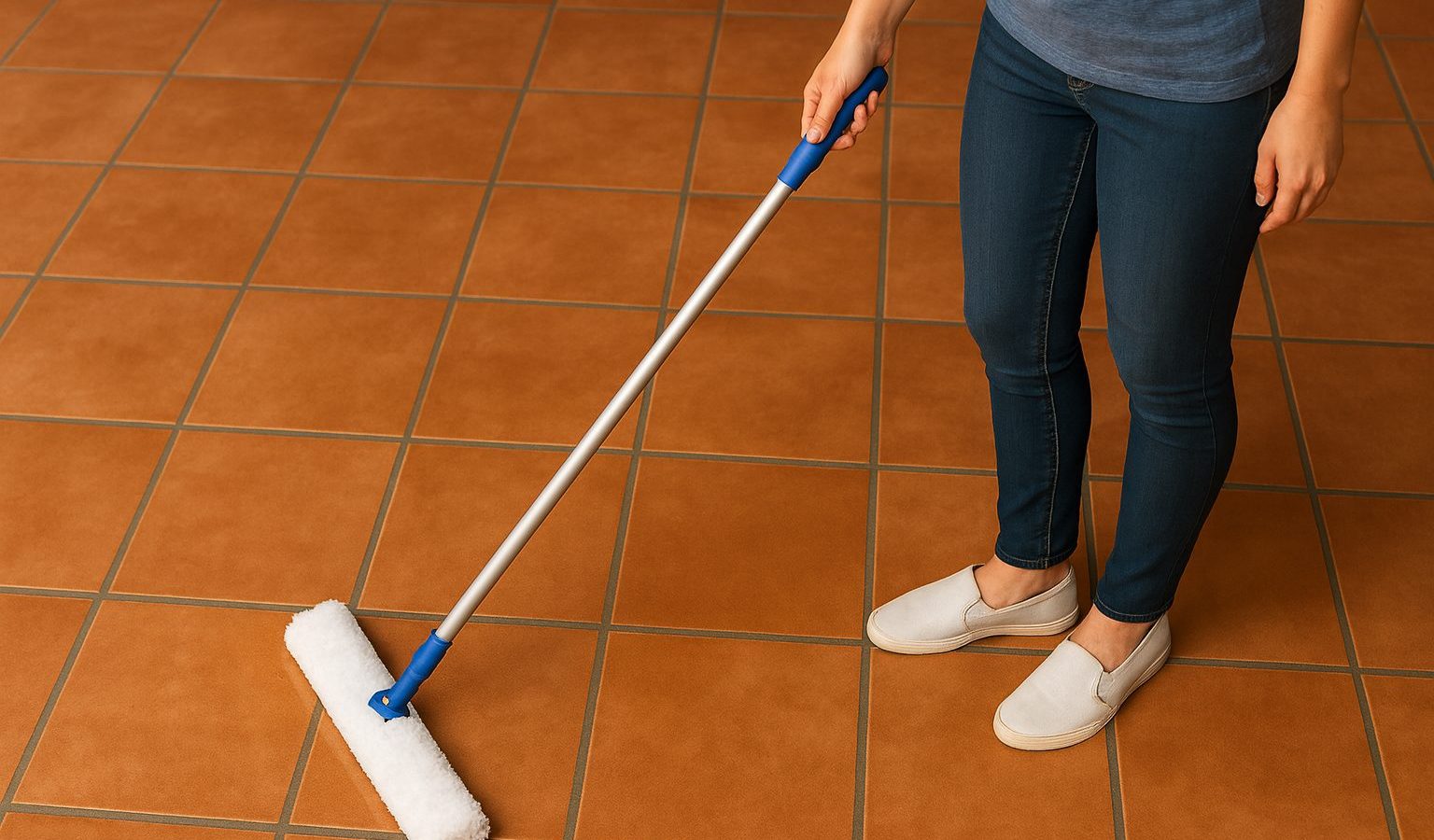
To ensure your floor ages gracefully, gaining character without getting damaged, follow these fundamental steps:
Over time, foot traffic and washing naturally wear down the surface finish. When the floor begins to look slightly duller in high-traffic areas (corridors, kitchen entryways): Apply a coat of maintenance wax (liquid or paste, depending on the original finish). This operation, performed 1-2 times a year, restores the shine, closes micro-scratches, and renews the stain-resistant barrier.Every few years, it may be necessary to perform a “deep clean” to remove layers of old, stratified wax that may have trapped dirt. In this case, a professional dewaxing detergent (decaper) is used before reapplying a fresh treatment cycle.
To keep your Fornace Brioni cotto in perfect condition, remember:
Avoid abrasive pads: Steel wool or green abrasive sponges can scratch the tiles permanently.
Never use pure vinegar or lemon: Their natural acidity can corrode the surface and the mortar joints.
Do not leave liquids to stand: In case of accidental spills (wine, oil, coffee), blot immediately with absorbent paper. Even a treated floor has a “contact limit” beyond which the liquid could penetrate.
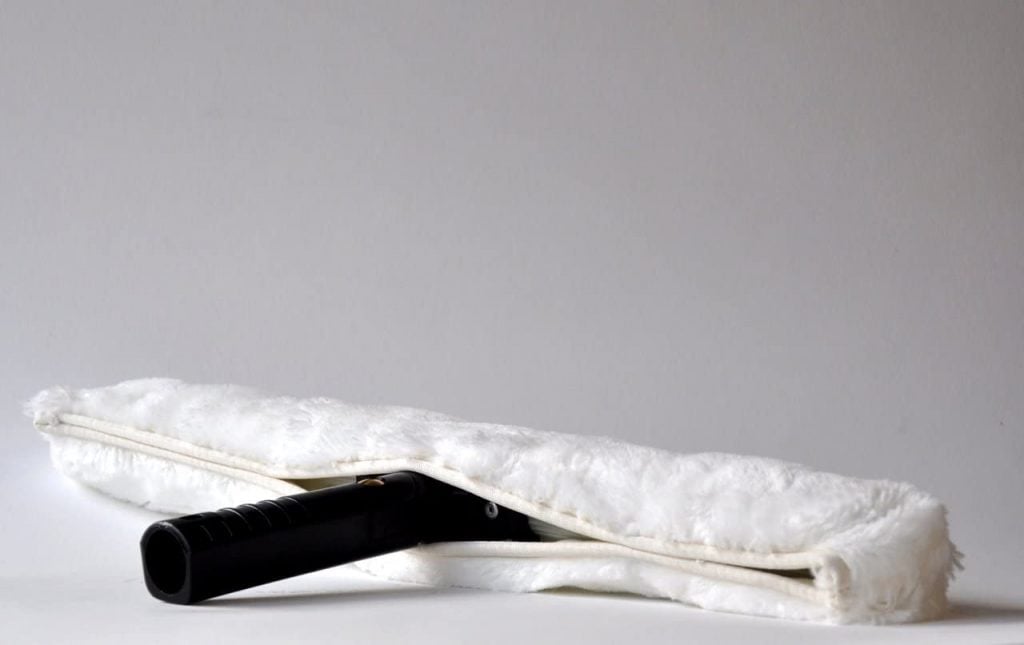
Cleaning a cotto floor is not a complex task, but it requires consistency and the right products. Treating this material with care means respecting its history and its natural evolution. A well-maintained handcrafted cotto floor is a surface that tells a story of elegance and durability.più affascinante
Discover the Fornace Brioni collections and let yourself be inspired by the noble art of cotto. Because true elegance is that which endures over time and tells your story.