
In recent years, interior design and architecture have seen a strong resurgence of interest in natural, authentic materials steeped in history. Among these, handcrafted cotto (terracotta) has experienced a true renaissance, becoming a key feature in contemporary projects that blend tradition, innovation, and sustainability. Once associated almost exclusively with rustic and traditional settings, this material now integrates seamlessly into minimalist, urban, and even industrial spaces, thanks to its ability to dialogue with other materials and evoke emotions through its tactile quality (matericità). The aesthetic and ethical value of cotto aligns perfectly with the needs of contemporary design, which seeks beauty, heritage, and environmental respect.
The allure of cotto lies in its imperfection: its irregular surface, warm nuances, and unique way of absorbing light. New design trends emphasize these very characteristics, shifting focus toward “living,” textured, and tactile surfaces. Architects and designers choose handcrafted cotto to create spaces that communicate authenticity and comfort, moving away from cold, artificial materials. Choosing such an expressive material is also an aesthetic statement: selecting a cotto floor or wall cladding means choosing a more human design language that prioritizes sensory experience, time, and transformation. The surface of the cotto evolves with use, telling the story of the people who walk upon it, the seasonal light, and the air’s humidity. It is a living material, and for this reason, deeply contemporary.
One of the most evident evolutions concerns finishes. While natural cotto remains a timeless classic, contemporary glazes—glossy, satin, and metallic—allow the material to be interpreted in entirely new ways. Today, designers are experimenting with unconventional colors such as dusty pink, sage green, powder blue, warm white, and slate black. This palette, far from traditional earth tones, opens up cotto to minimalist, eclectic, and urban contexts. It’s not just about adding color, but about creating atmospheres: a glazed tile can reflect light in unexpected ways, transforming the perception of a space. Glazed surfaces also become more resistant, easier to clean, and suitable for environments like bathrooms and kitchens, where functionality and aesthetics must coexist in harmony.
Formats are also evolving. Alongside classic squares and rectangles, bolder geometries are multiplying: hexagons, lozenges, curves, and irregular modules designed to create innovative laying patterns (schemi di posa) and unexpected visual rhythms. Cotto becomes a graphic, almost decorative element, capable of defining the style of a space through its sheer material presence. The installation is no longer just a technical detail but a compositional element: herringbone patterns, diagonal grids, and combinations of large and small modules become tools to design the space from the ground up, guiding the eye and narrating a project. The dialogue between solids and voids, and between clad and bare surfaces, is also part of this new “grammar” of cotto.
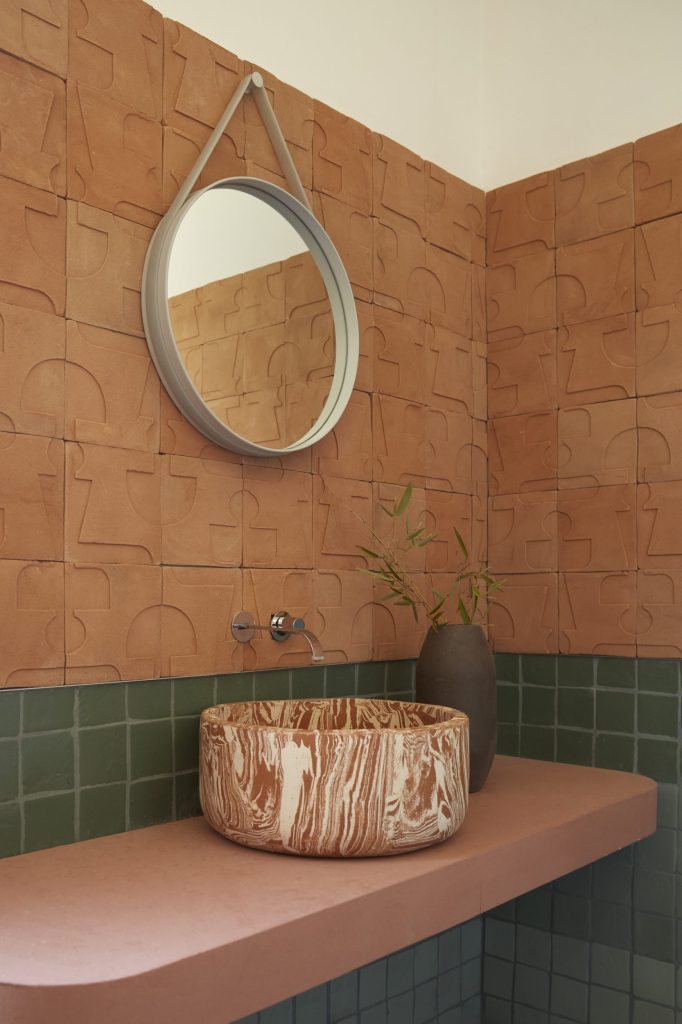
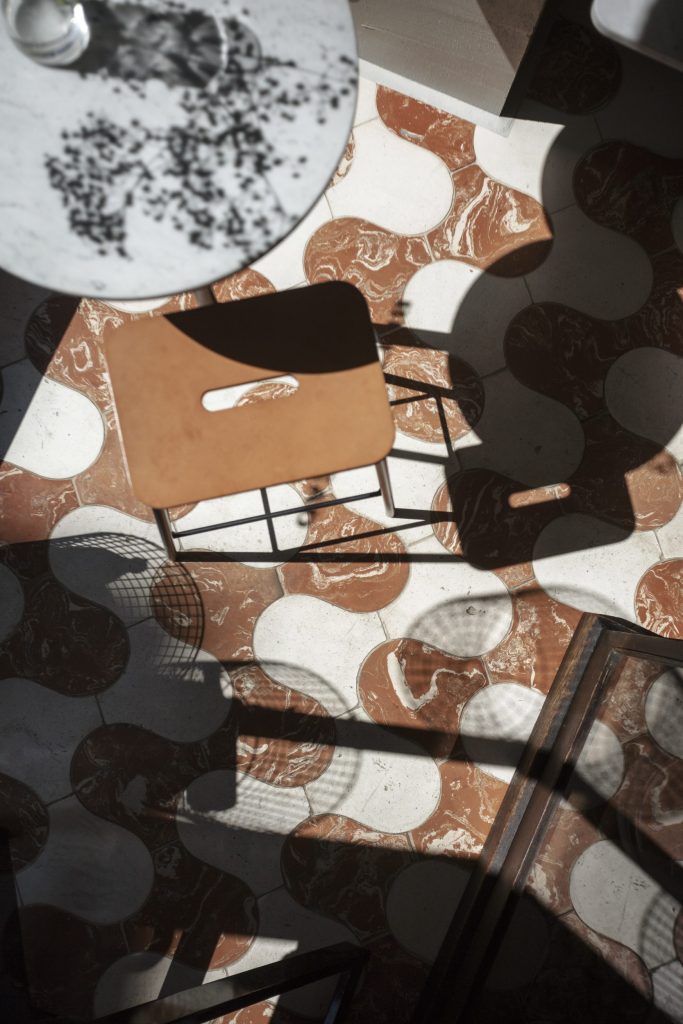
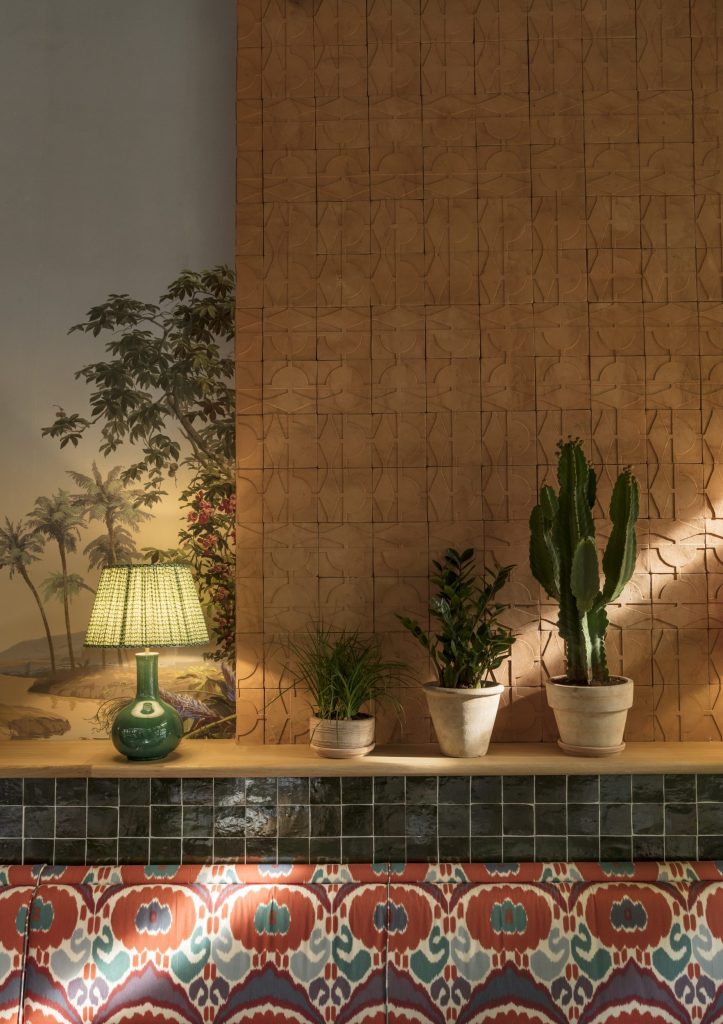
An increasingly evident trend is the integration of handcrafted cotto into modern furnishing contexts. The juxtaposition of textured surfaces and essential lines creates an elegant and sophisticated contrast. Cotto is chosen not only for flooring but also for wall coverings, boiserie, staircases, and architectural details in contemporary environments where “visual warmth” is essential.
A cotto floor, for instance, can act as a counterpoint to minimalist furniture in black metal or light wood, or it can become a chromatic backdrop for iconic, colorful pieces. Even in kitchens and bathrooms—spaces often dominated by white or gray—cotto introduces a note of humanity, breaking monotony and adding depth.
In an era of growing focus on sustainability, handcrafted cotto represents an ethical choice. It is a natural material, free of chemicals, produced with local resources in small batches, often in historic kilns with a low environmental impact. Its durability makes it a conscious and responsible investment, consistent with the values of sustainable design. Unlike many industrial materials, cotto does not require complex chemical processes or energy-intensive production cycles. Its installation and maintenance are also sustainable, especially when using natural products for surface protection. The longevity of cotto is an added value: a well-crafted floor can last decades, improving with age and reducing overall environmental impact.
Fornace Brioni stands at the forefront of this evolution, with a production that blends the Renaissance tradition of clay working with collaborations alongside world-renowned designers and architects. Our collections represent the perfect synthesis of memory and experimentation: glazed cotto surfaces, bespoke formats, innovative colors, and artistic patterns.
Every product is designed to dialogue with contemporary architecture, carrying an ancient soul with a forward-looking gaze. The work of the fornace (kiln) demonstrates that artisanal knowledge is not a relic of the past, but a current creative resource, capable of offering concrete answers to the aesthetic, technical, and environmental demands of the most challenging projects. Cotto is no longer (only) the material of rustic tradition. Today, it is a canvas upon which contemporary design can write new stories. It is a way of designing that puts material, sustainability, and identity at the center. This is precisely why it continues to inspire, year after year, generations of designers seeking a timeless aesthetic.