
Following years characterized by cold surfaces and synthetic materials that sterilely imitate reality, 2026 marks a definitive return to tactile authenticity. Rather than simple nostalgia for the past, this reflects a fundamental need to reconnect with natural materials and traditional craftsmanship. Within this context, the 2026 flooring trends position handmade terracotta not merely as a material relegated to rustic styles, but as a central element in avant-garde architecture. Fornace Brioni, with its historic headquarters in Gonzaga, stands at the forefront of this shift, transforming clay into crafted elements that define contemporary spaces through the mastery of Italian tradition.
The trends for 2026 move in a clear direction: high customization and environmental sustainability. Today, architects and designers seek materials with a distinct narrative, moving away from the industrial standardization that characterized the last decade. Handcrafted terracotta meets this demand through its inherent capacity for uniqueness in every single piece produced. These are not standard tiles, but structural design elements that interact with changing light and the passage of time. The primary trend involves the use of new formats and surface treatments that enhance the durability of the clay, creating environments that engage both sight and touch.
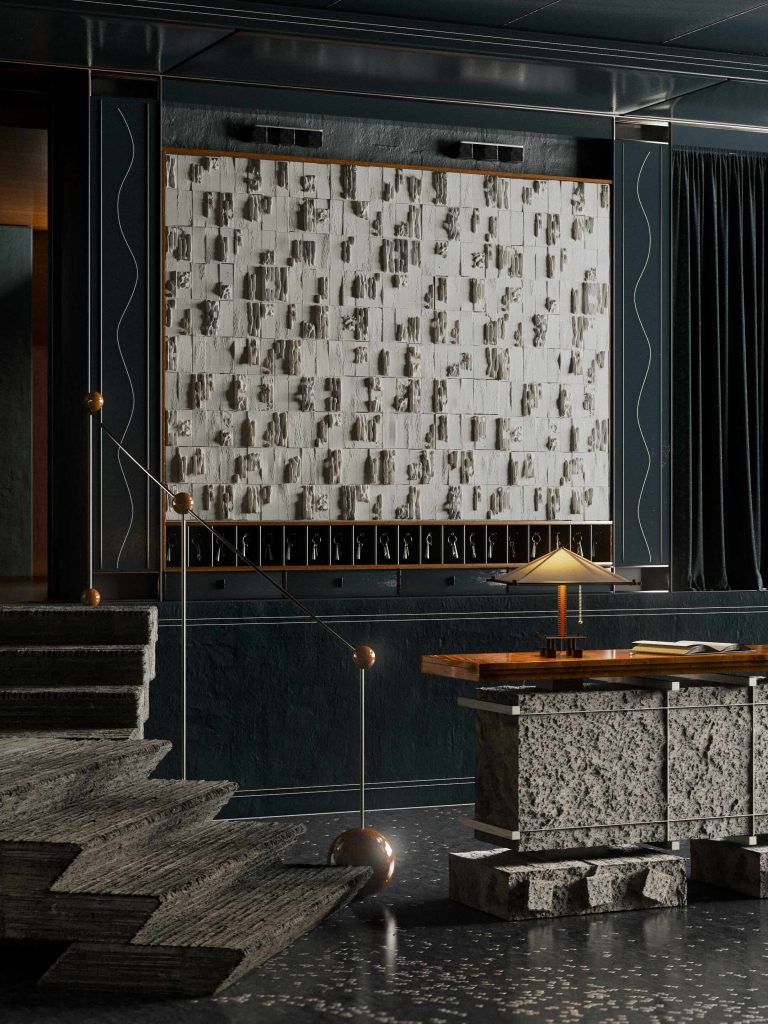
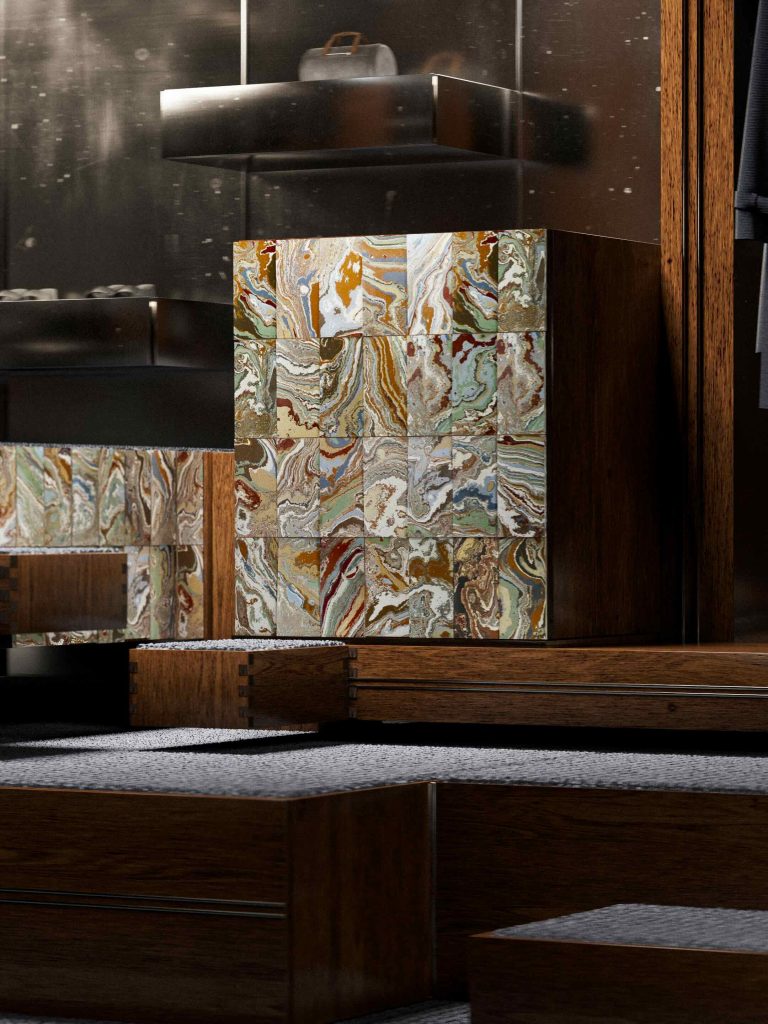
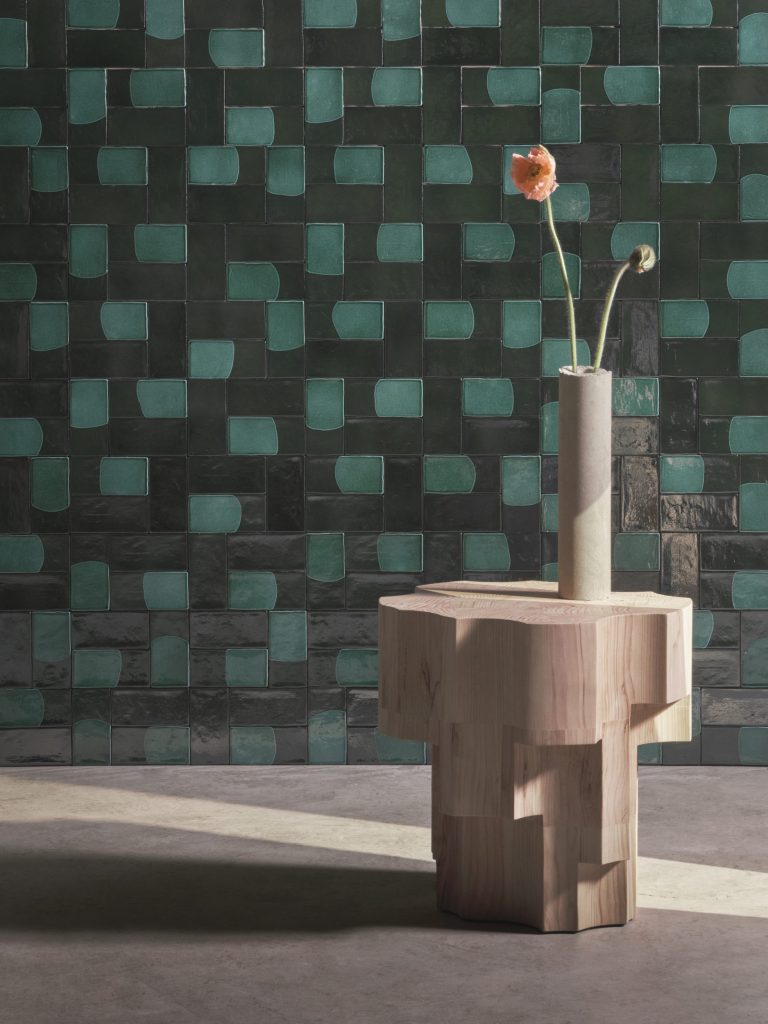
The precise uniformity of machine-made products has given way to a modern preference for warmth and texture. True exclusivity in 2026 is found in items that are carefully crafted by hand. The subtle color variations, slightly irregular edges, and minor surface imperfections of terracotta are the hallmarks of authentic, unique quality. Fornace Brioni’s terracotta accurately reflects this philosophy: each piece results from traditional techniques passed down through generations. This aesthetic of imperfection allows for the creation of dynamic flooring that avoids monotony, adding depth and character to any room across various residential settings, from the most sophisticated to the most minimalist.
In an era where sustainability is no longer an option but a design requirement, terracotta emerges as one of the most eco-friendly materials available on the market. Composed of primal elements—clay, water, and fire—it is completely natural and biodegradable, ensuring excellent thermal comfort within living spaces. The 2026 flooring trends strongly emphasize natural green building, and handcrafted terracotta stands as a leading material in this category. Its thermal inertia helps keep environments cool in summer and warm in winter, significantly reducing energy consumption for climate control. Choosing a Fornace Brioni floor, therefore, represents a conscious decision for the planet’s health, without compromising the high-level aesthetics required by contemporary design projects
Innovation in the terracotta sector extends beyond the mere reproduction of the past. At Fornace Brioni, we have reinterpreted this classic material through collaborations with internationally renowned designers, creating iconic productions such as Bibiena, Void, Fluviale, and Le Piastrelle Segnate. These lines represent the core of our offering, where terracotta is developed into complex geometric patterns and sculptural reliefs that challenge the traditional perception of the material. The chromatic variety, ranging from traditional terracotta nuance , so called rosato, and the light yellow paglierino to contemporary greys and the deep moka of variegated terracotta, allows for unprecedented design freedom. These collections provide new inspiration for interior designers working on high-end contract and retail projects, as well as luxury residential spaces, making them a preferred choice for luxury developments and boutique hotels worldwide.
What are the trending colors for terracotta in 2026? Color palettes for 2026 lean toward deep earth tones, such as moka and terracotta fiammata , while also including neutral nuances like sand and ash grey, which are typical of variegated terracotta finishes.
Is handcrafted terracotta compatible with underfloor heating? Yes, absolutely. Thanks to its excellent thermal conductivity and heat retention capacity, terracotta is one of the most effective materials to pair with modern radiant heating systems.
How has terracotta maintenance changed with the new trends? Maintenance today is significantly simpler and less frequent than in the past. Thanks to latest-generation protective treatments, terracotta becomes highly stain-resistant while maintaining its natural breathability.
Can terracotta be used in contemporary bathrooms or kitchens? Certainly. The extreme versatility of handcrafted terracotta makes it ideal for kitchen wall coverings and for creating natural wellness areas in bathrooms, particularly when opting for glazed or professionally treated versions.
What is the main difference between industrial terracotta and Fornace Brioni ‘sterracotta? Industrial terracotta is mass-produced and often lacks character. In contrast, Fornace Brioni’s handcrafted terracotta is made piece by piece in Gonzaga, preserving unique color and texture variations that enhance its value over time.
Ultimately, following the 2026 trends does not mean chasing a passing fad, but rather embracing a slower, more conscious, and refined design philosophy. Fornace Brioni’s handcrafted terracotta represents the perfect intersection between the historical heritage of “Made in Italy” craftsmanship and the most advanced vision of international design. Choosing this material means investing in an aesthetic that does not fade, but rather gains charm and value year after year. Whether restoring a historic villa or adding character to a metropolitan apartment, handmade terracotta consistently delivers the tactile and visual qualities that only authentic, human-crafted materials can convey.